Visiting Valgunde Mill: History and Peaceful Walks
Discover this beautifully restored watermill and explore the gentle walking paths that wind through its grounds. A perfect afternoon escape for anyone seeking nature and heritage.

A Mill With a Story
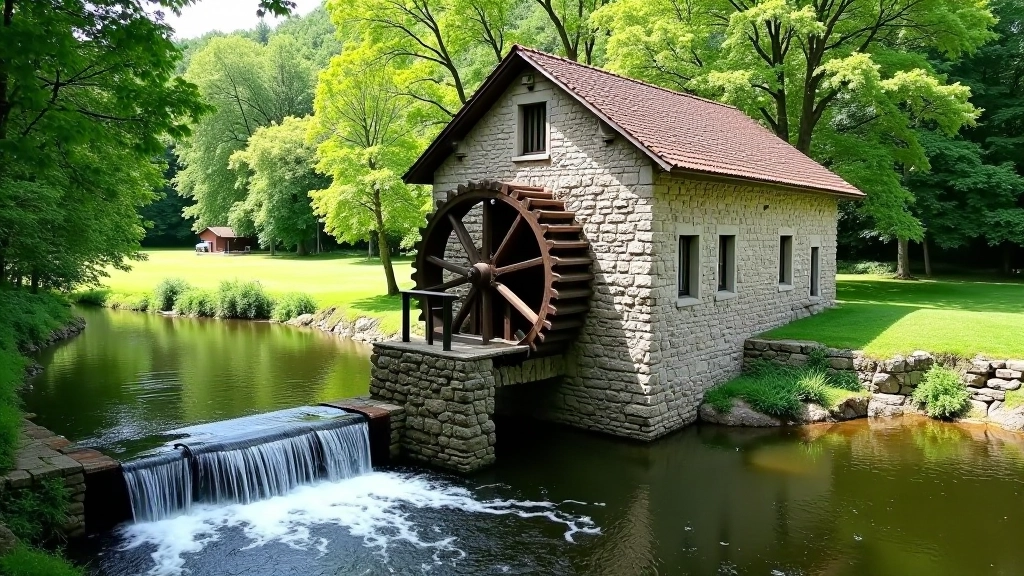
Valgunde Mill isn't just another historical building you walk past and forget. It's a living piece of Latvian heritage that's been carefully brought back to life. The mill dates back to the 1880s, when it was grinding grain for local communities along the Svēte River. That tradition stopped decades ago, but the restoration work done here over the past 15 years has made it something truly special.
What makes this place different is how accessible it is. You don't need to be a history buff to appreciate what you're seeing. The grounds are well-maintained, the walking paths are gentle, and there's a real sense of peace here that you won't find in busier tourist spots. It's the kind of place where you can spend an afternoon without feeling rushed.
01
Understanding the Mill's History
The story of Valgunde Mill is tied to the broader history of Latvian milling. In the late 1800s, water-powered mills were essential infrastructure. Farmers would bring their grain here to be processed, and the mill's position on the Svēte River made it perfectly situated for this work.
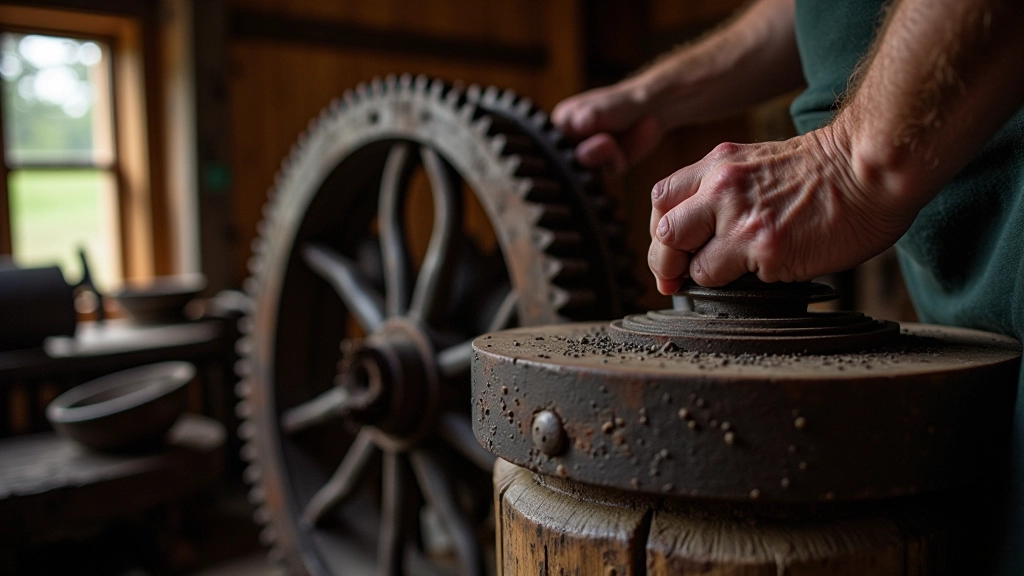
The building itself shows the craftsmanship of that era. The stone walls are thick and solid — they've lasted over 140 years for a reason. You can see the millstones inside, though they're no longer in operation. What's really interesting is how the mill used the river's water flow. There's a channel system that was engineered to direct water power to the grinding mechanism. It's simple engineering, but it worked.
By the mid-1900s, industrial mills took over the grain-grinding business, and places like Valgunde fell into disrepair. For decades it sat unused. The restoration started in 2010, and it's been a meticulous process. They've preserved original features while making it safe and accessible for visitors.
02
The Walking Routes Around the Mill
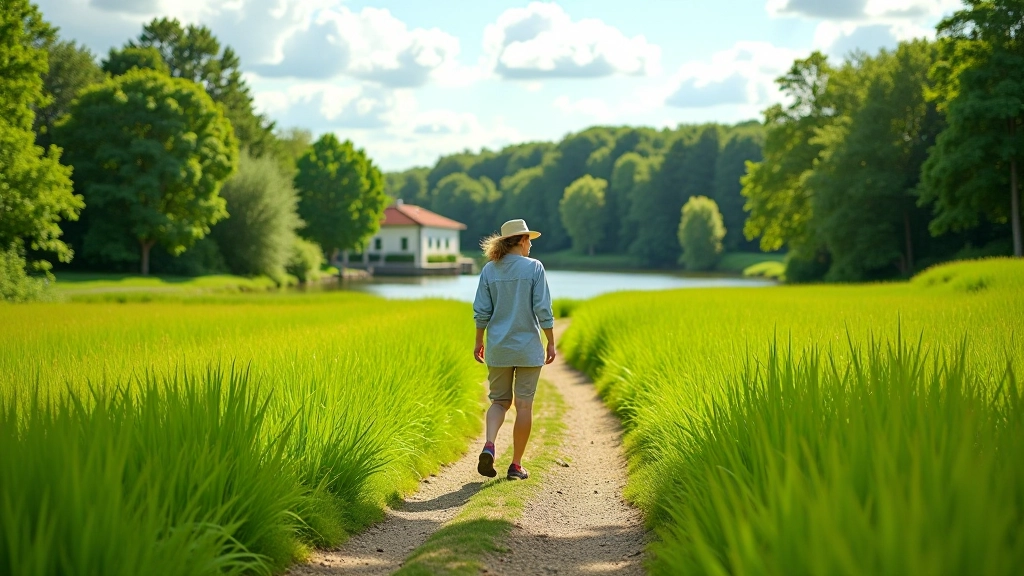
Here's where Valgunde Mill really shines for visitors. The grounds include several walking paths that range from easy 15-minute loops to more substantial 45-minute walks. The terrain is mostly flat with gentle slopes — nothing that'll leave you breathless, but enough to feel like you're actually getting some movement in.
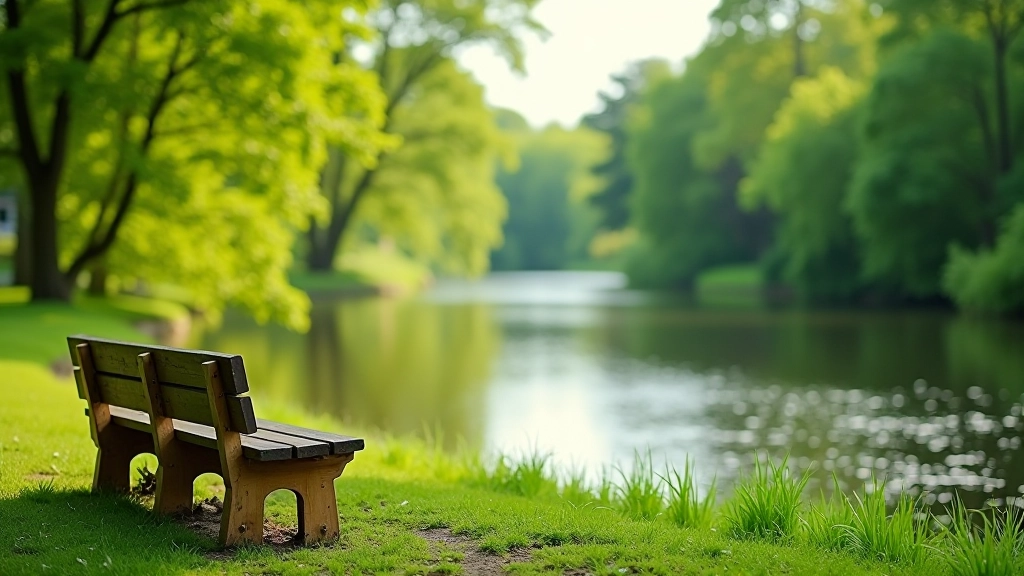
The main path circles the mill and follows the Svēte River for part of the way. You'll see the water that once powered the mill, and there are several spots where you can stop and just sit. Benches are placed at viewpoints, which is thoughtful planning. The path is well-marked with small wooden signs, so you won't get lost. It's clearly been designed with accessibility in mind.
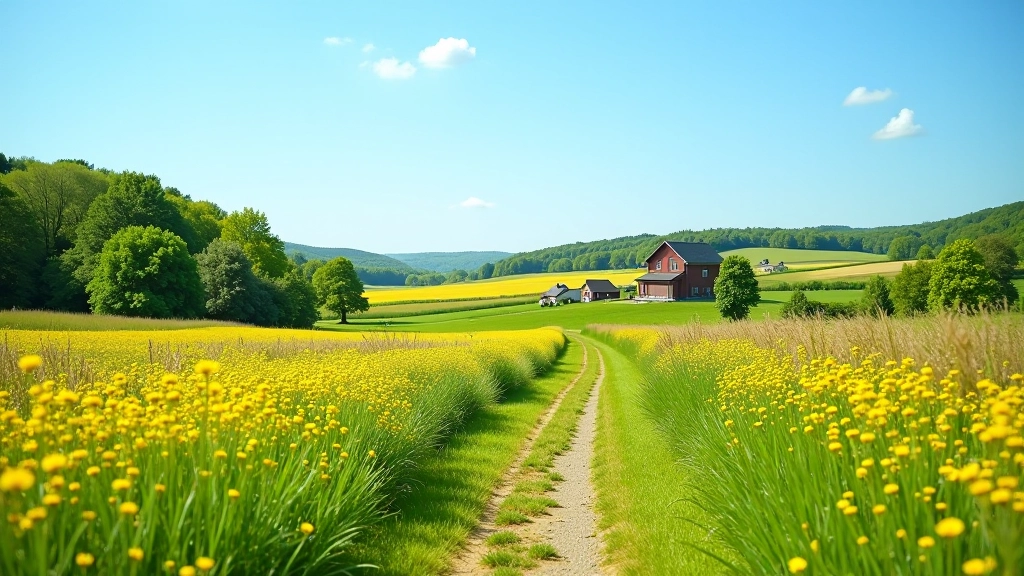
There's also a longer route that extends into the surrounding meadows. This one takes you through grassland where you'll spot wildflowers in spring and early summer. The walking surface stays fairly firm even after rain, so you're not dealing with muddy conditions typically.
03
What to Expect When You Visit
Most visitors spend 2 to 3 hours at Valgunde Mill. You could do it faster if you're just walking the short loop, but why rush? The whole point is to slow down and take in the atmosphere.
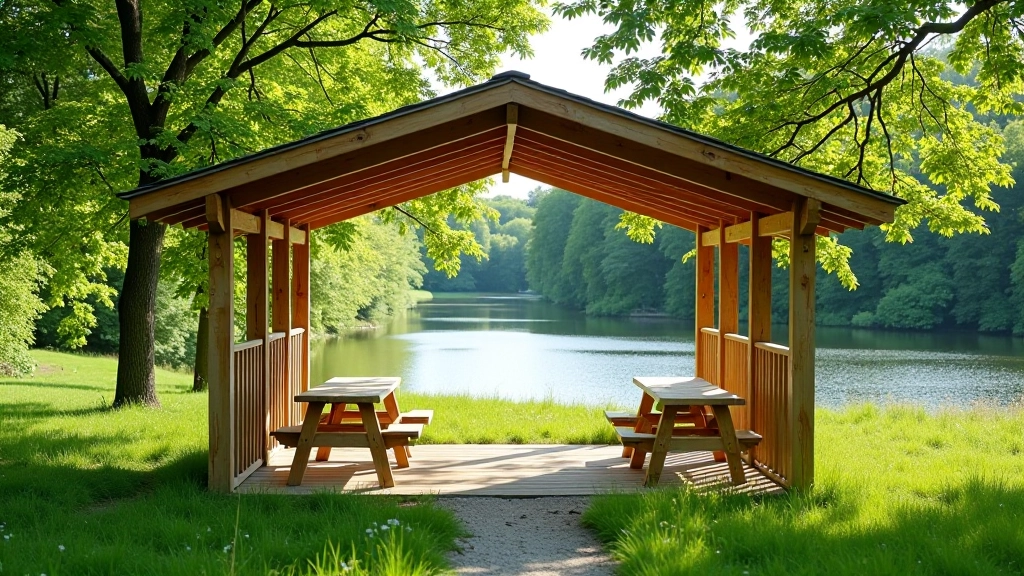
The mill building itself is open during certain hours — typically afternoons on weekends, though it's worth checking ahead. Inside, you'll find basic displays explaining the milling process and some information about the restoration work. There's no café on-site, so bring water if you're planning a longer visit. The visitor facilities include basic restrooms and covered areas where you can rest.
The best time to visit is late spring through early autumn. The paths are clearest from June through August, and the meadow wildflowers are spectacular. Autumn also works well — fewer visitors and the light has that golden quality that photographs beautifully.
Practical Tips for Your Visit
Footwear Matters
Wear comfortable walking shoes with good grip. The paths are well-maintained but can be uneven in places. Avoid flip-flops or sandals if you're doing the longer walks.
Bring Water
There's no water fountain on the grounds. A bottle or two of water is essential, especially in warmer months. It's a peaceful place but not one where you can easily pop into a café.
Sun Protection
The meadow areas offer limited shade. Bring sunscreen and a hat, especially if you're visiting during peak summer. The longer route exposes you to direct sun for stretches.
Photography Opportunities
The mill photographs beautifully from multiple angles, especially in golden hour light. The river reflections and surrounding meadow create nice compositional elements.
Plan Your Timing
Weekdays are quieter than weekends. If you prefer solitude, visit midweek in the afternoon. Early morning visits catch the best light for photography and fewer people.
Check Hours First
The mill building has specific opening hours. The grounds are accessible year-round, but building tours are seasonal. Call ahead or check the website before traveling.
Important Information
This guide provides general information about visiting Valgunde Mill and the surrounding area. Conditions, hours, and facilities may change seasonally or due to maintenance work. We recommend confirming current accessibility, opening times, and any temporary closures directly with local tourism information or the site management before planning your visit. Always follow posted signs and stay on marked paths for your safety and to protect the natural environment.
Making the Most of Your Visit
Valgunde Mill offers something that's becoming increasingly rare: a place where you can experience history without crowds or commercialization. The restored building tells a real story about how people lived and worked here generations ago. The walking paths let you experience the landscape that made this location special in the first place.
Don't come here expecting a polished tourist attraction. Come expecting quiet meadows, river sounds, and the chance to walk at your own pace. Bring a book if you want, or just sit on one of those benches and watch the water flow past. That's what Valgunde Mill does best — it gives you space to think, to breathe, and to remember why nature matters.
Related Articles