Svēte River Meadow Trails for Easy Walking
Discover accessible walking routes through the meadows with gentle terrain, seasonal wildlife viewing, and rest areas along the way. Perfect for leisurely afternoon strolls and nature observation.

Gentle Paths Through Nature's Quiet Spaces
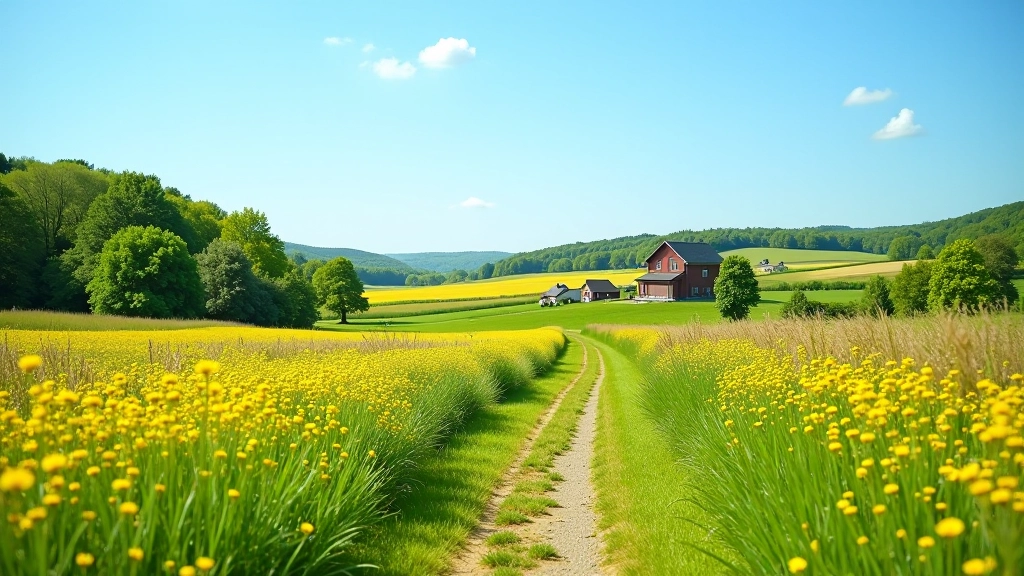
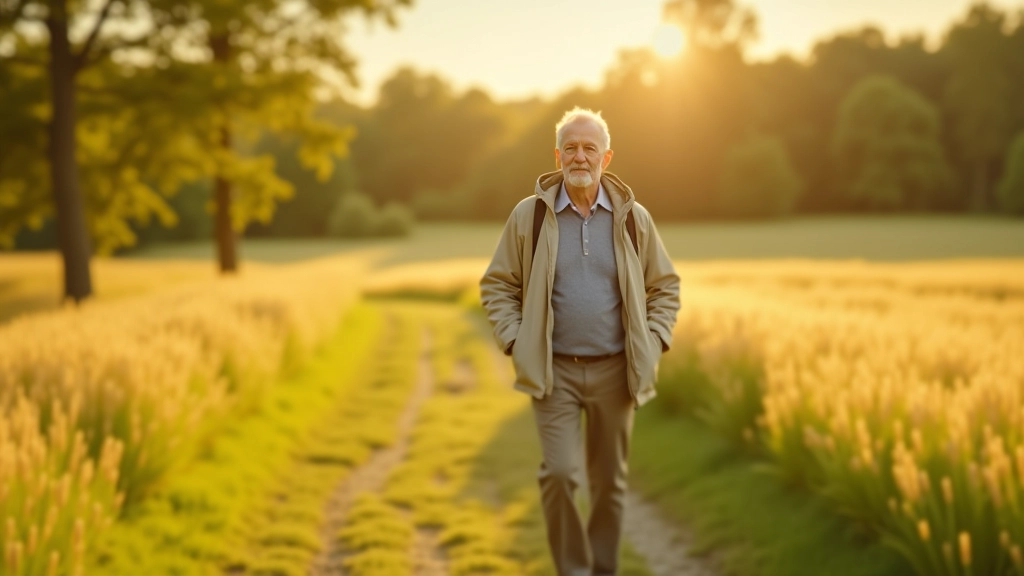
The meadow trails along Svēte River aren't just another walking route. They're specifically designed for people who want a peaceful experience without the challenge. The terrain is soft underfoot — mostly grass with well-maintained sections of gravel — and the routes rarely exceed a gentle slope. You'll find that three to four kilometers feels manageable even for those who don't walk regularly.
What makes these trails special isn't complicated. It's the simplicity. No steep climbs, no rocky sections that demand careful footing, and no confusing intersections where you wonder which way to go. The paths follow the natural flow of the river valley, so you're always aware of your location. Plus, the meadows open up views that change with the season — wildflowers in spring, golden grasses in summer, and frost-tipped vegetation in autumn.
Three Easy Routes to Explore
Each path offers a different perspective on the meadows and river. Choose based on how much time you have and what you'd like to see.
01
The Lower Meadow Loop
This is the easiest option at just 2.5 kilometers. You'll stay close to the water level, walking through open meadows where wildflowers bloom thick in May and June. The path is wide and clearly marked. Most people complete this in 45 minutes without rushing, and there's a shelter halfway round if you need a rest.
- Distance: 2.5 km
- Time: 45 minutes average
- Elevation change: Minimal
- Best for: First-time visitors, shorter outings
02
The River Viewpoint Trail
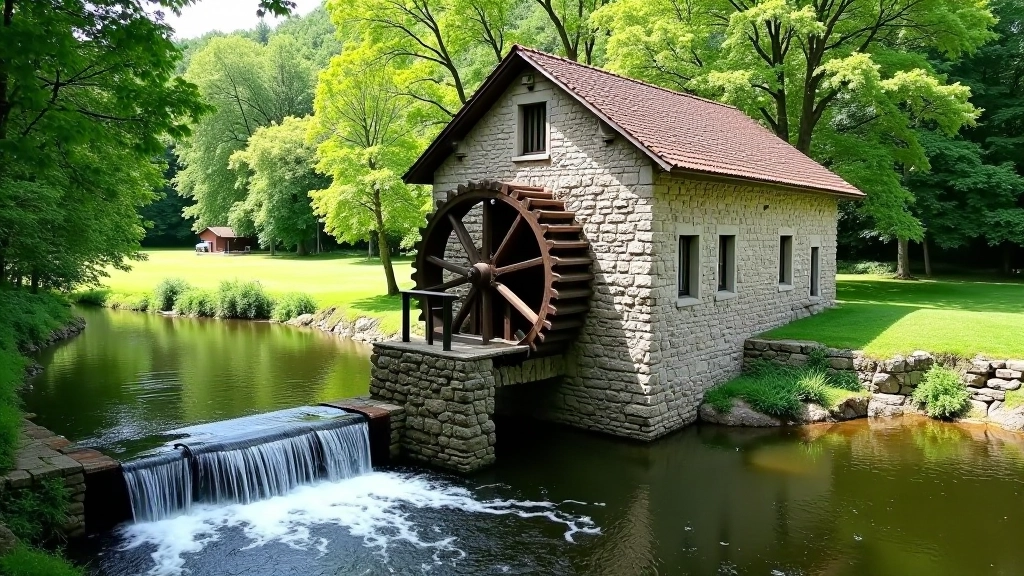
At 4 kilometers, this route takes a bit longer but rewards you with views from slightly elevated ground. You'll see the river bend three times, and on clear days, you can spot the old mill structures in the distance. The path has a gentle, steady rise that's never steep — think of it as walking up stairs in slow motion. Two rest benches positioned for the best views give you perfect places to pause.
- Distance: 4 km
- Time: 75 minutes average
- Elevation change: Gradual rise of 40 meters
- Best for: Scenic views, moderate activity level
03
The Extended Meadow Circuit
For those with more time and stamina, this 5.5-kilometer circuit covers the widest range of the meadows. You'll experience different vegetation zones — open grassland, areas with scattered shrubs, and sections where the river narrows and deepens. It's the best route for wildlife watching since you pass through habitats where deer, rabbits, and various birds are commonly seen. There's a covered pavilion at the 3-kilometer mark, perfect for a longer break.
- Distance: 5.5 km
- Time: 2 hours average
- Elevation change: Gentle rolling terrain
- Best for: Wildlife observation, full morning or afternoon
What You'll See Along the Way
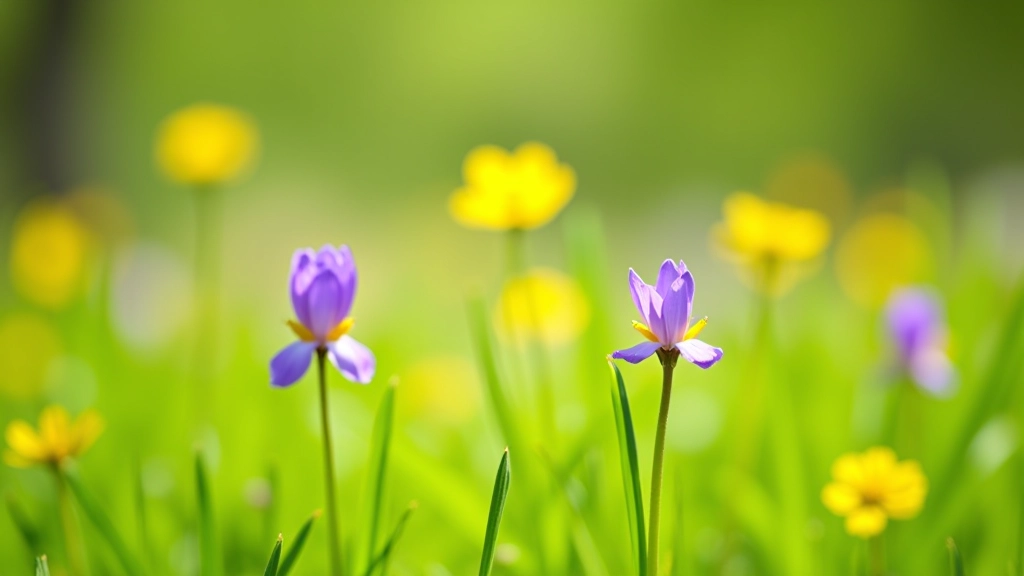
The Svēte meadows are alive with seasonal activity. In spring, the wildflower display is remarkable — purple orchids, yellow buttercups, and white wood anemones carpet the grass from May through early June. Summer brings the insect life, particularly dragonflies along the water's edge. You'll notice butterflies are abundant, and if you're quiet and patient, you might spot a heron fishing in the shallow areas.
Autumn transforms the scene entirely. The grasses turn golden, and migrating birds use these meadows as a feeding and resting stop. It's not uncommon to see flocks of warblers moving through in September. Winter simplifies the landscape to browns and grays, but frost creates intricate patterns on vegetation, and the bare trees make it easier to spot birds you'd miss when there's leaf cover.
Don't expect dramatic wildlife encounters. These aren't wild animals accustomed to crowds. But the meadows reward observation. Bring binoculars if you enjoy birdwatching. A simple field guide to wildflowers makes spring walks more meaningful. The key is patience — stand still for a few minutes, and the meadow reveals itself.
Rest Areas and Comfort Features
The meadow trails include thoughtfully placed amenities. You won't find fancy facilities, but what's there is functional and well-maintained.
Benches and Shelters
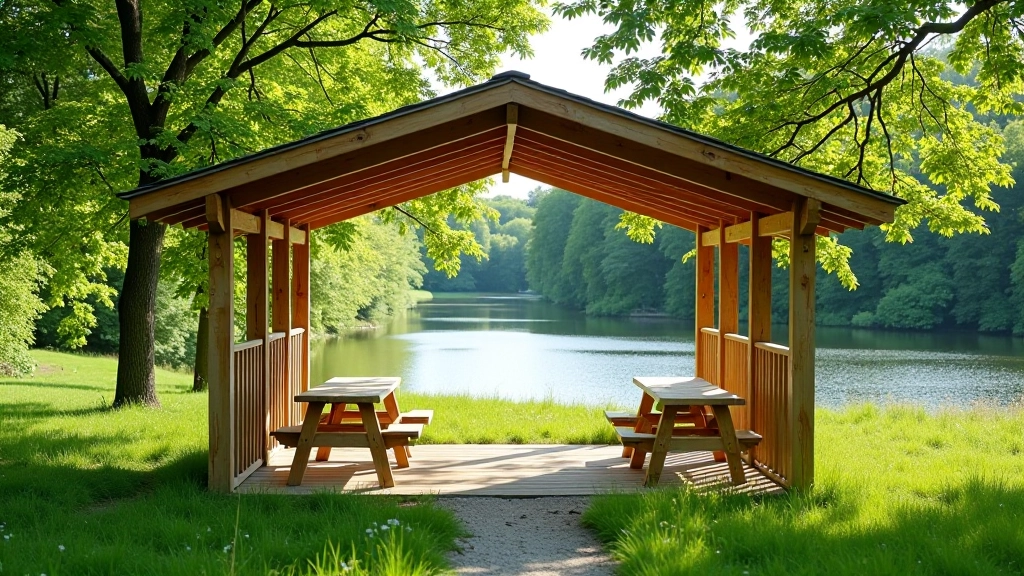
Seven benches are positioned along the routes, with three covered shelters offering protection from sun and light rain. They're placed roughly every kilometer, so you're never far from a rest spot.
Water Access
The river is accessible from several points. The water is clear but we don't recommend drinking it untreated. Bring your own water or use the hand pump near the main parking area.
Parking
Free parking for 15 vehicles at the main trailhead. Additional informal parking available nearby. The lot is gravel surface and drains well even after rain.
Trail Markers
Blue and white markers guide you along all three routes. They're visible from the path and appear every 100-150 meters, so navigation is straightforward.
Tips for a Comfortable Visit
Walking these meadows is straightforward, but a few practical considerations make the experience better. First, wear proper footwear. Regular sneakers work fine on the main paths, but trail shoes or hiking boots give better support and grip if the ground is damp. The grass dries quickly after rain, but morning dew can make it slippery.
Timing matters more than you might think. Early morning and late afternoon bring cooler temperatures and better wildlife viewing. Midday sun can feel intense in summer, especially in open meadow sections with no shade. Spring and autumn offer the most comfortable temperatures for walking — typically 12-18°C, which doesn't require heavy layers.
Bring more water than you think you'll need. Even on a 2.5-kilometer walk, having at least a liter available is wise. Sunscreen is essential — the reflection off grass and water intensifies UV exposure. A simple rain jacket takes up minimal space and handles sudden showers. And don't underestimate the value of a walking pole. It's not a sign of weakness; it reduces impact on knees and improves stability on uneven ground.

When to Visit: A Seasonal Guide
Each season brings its own character to the meadows. Your choice of when to visit shapes what you'll experience.
Spring (May-June)
The wildflower bloom is the main draw. Temperatures are mild, typically 14-18°C. The ground can be soft from snowmelt, so sturdy shoes help. Days are long, giving you plenty of daylight. Insect repellent becomes useful as mosquitoes emerge in late May. This is the busiest season, but the meadows are spacious enough that it rarely feels crowded.
Summer (July-August)
Warm and dry, but midday heat can be intense. Walk early morning or late afternoon. Wildflowers fade, but grasses are at their greenest, and wildlife is active. Mosquitoes can be persistent, so bring repellent. The water level is lower, making river crossings easier if needed. Heat-related considerations matter more in summer than other seasons.
Autumn (September-October)
Many consider this the best season. Temperatures are comfortable (10-15°C), the light is softer, and migrating birds make wildlife watching rewarding. Golden grass creates a beautiful landscape. Rain becomes more frequent, so waterproof jackets are essential. Fewer visitors means quieter walks, though you'll want decent footwear for potentially wet ground.
Winter (November-March)
Frost and occasional snow transform the landscape. It's beautiful but requires appropriate clothing and careful footing. Paths can be icy, so poles are genuinely helpful. Visibility is excellent with bare trees. Days are short, limiting daylight hours for walking. Only the hardier routes are comfortable in deep snow. This is the quietest season if you prefer solitude.
Important Information
This article provides educational information about the Svēte River meadow trails. While we've taken care to describe conditions and routes accurately, conditions change with weather and seasons. Always assess your own fitness level before attempting any walk. Trails may be muddy after rain or icy in winter. Consider consulting local park services or visitor centers for the most current information before your visit. Wear appropriate footwear and carry water. If you have mobility concerns or health conditions that might affect your walking ability, discuss planned activities with your healthcare provider.
Start Your Meadow Walks Today
The Svēte River meadows aren't about conquering distance or achieving fitness goals. They're about spending time in a place where you can move at your own pace and enjoy what's around you. The trails are there whether you walk two kilometers or five. They're patient. The meadows don't judge how long you take or how many rest breaks you need.
What makes these walks special is their accessibility. You don't need specialized equipment or previous hiking experience. You don't need to be particularly fit. You just need comfortable shoes, a willingness to spend time outdoors, and perhaps a bit of curiosity about what you'll see. That's genuinely enough.
The meadows change throughout the year, so visiting in different seasons reveals different aspects. Come back in spring to see wildflowers. Return in autumn to watch migrating birds. Even winter has its appeal if you're prepared for cold. Each visit offers something different, something worth noticing.
Related Articles